
Whatsapp icon

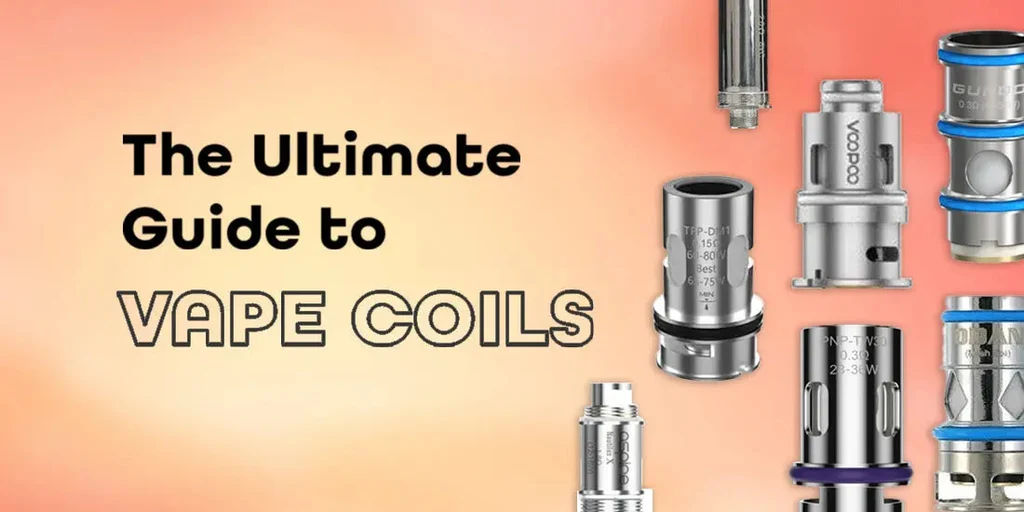
The Ultimate Vape Coil Guide (2026): Everything You Need to Know About Vape Coils in Kenya

Struggling with burnt hits or muted flavour? Our comprehensive 2026 guide covers everything Kenyan vapers need to know about vape coils—from resistance and priming to extending coil life and choosing the perfect match for your device and e-liquid.


vapesoko logo
Admin

Published on 15 Jun, 2026


The Ultimate Vape Coil Guide Kenya (2026) — Everything You Need to Know | Vapesoko

The Ultimate Vape Coil Guide (2026): Everything You Need to Know About Vape Coils in Kenya

Last updated: June 2026 | Written by the Vapesoko Nairobi team
Whether you have just bought your first pod kit, you are switching from disposables to a refillable setup, or you have been vaping for years and want to understand why your coils keep burning out, this guide is for you. We have put together everything we have learned from helping thousands of Kenyan vapers find the right coil for their device, their e-liquid, and their vaping habits.
Coils are arguably the single most important component in a vaping device. They determine how your e-liquid tastes, how long your device lasts between replacements, and how much you spend on maintenance each month. Getting them right makes a significant difference to the overall experience. Getting them wrong is one of the most common reasons vapers come to us at Vapesoko Nairobi, frustrated with a device that is otherwise perfectly functional.
This guide covers everything from the basics of what a coil actually is, through to specific coil families available in Kenya and the common mistakes we see customers making every week. It is written to be the most useful coil resource in the Kenyan market, not just a list of manufacturer specifications.

What Is a Vape Coil?

A vape coil is the heating element inside your device. At its most basic, it is a small piece of resistance wire wound into a coil shape — hence the name — surrounded by an absorbent material, usually cotton, that holds e-liquid and feeds it onto the wire.
When you activate your device, either by pressing a button or drawing on the mouthpiece, the battery sends an electrical current through the resistance wire. That wire heats up, vaporises the e-liquid that has soaked into the surrounding cotton, and you inhale the resulting vapour. It is a straightforward process in principle, but the engineering behind modern coils has become considerably more sophisticated over the past few years.
The cotton is as important as the wire. It needs to absorb e-liquid fast enough to keep up with your draw rate but not so loosely that e-liquid floods the chamber. Good wicking is the difference between clean, consistent flavour and the gurgling, leaking, or dry-hit problems that drive vapers to distraction.
Coils wear out for several reasons. The cotton discolours and loses its wicking efficiency over time, particularly when using sweetened e-liquids that leave a residue called coil gunk. The wire can also degrade with repeated heating cycles. Eventually, the combination of degraded cotton and compromised wire produces the distinctive burnt taste that signals it is time for a replacement.
In a traditional tank setup, the coil is a self-contained unit that screws or clips into the base of the tank. In a pod system, the coil is usually either integrated directly into the pod itself or it is a replaceable coil that inserts into a reusable pod shell. The distinction matters for maintenance and running costs, and we will cover it in detail later in this guide.
Vapesoko Tip
If you are new to refillable devices and unsure which replacement coils are compatible with your kit, check the coil family name on the packaging of your device or the device itself. Compatibility is the most common question our team handles at Vapesoko. You can browse compatible replacement coils and pods in our accessories section. https://vapesoko.co.ke/accessories

How Vape Coils Work

Understanding how a coil works helps you make better decisions about wattage settings, e-liquid selection, and when to replace your coil. It does not require an engineering degree; the fundamentals are accessible to anyone.
Every coil has an electrical resistance measured in ohms (Ω). Resistance determines how much heat is generated when current flows through the wire. A coil with lower resistance (for example, 0.2 ohm) allows more current to flow and generates heat more quickly. A coil with higher resistance (for example, 1.2 ohms) restricts current flow and generates heat more slowly. This is why low-resistance coils are typically used for high-power, high-vapour vaping, and high-resistance coils suit lower-power, more cigarette-like draws.
Wattage is the amount of power your device delivers to the coil. Most modern regulated devices let you adjust wattage within a range. Every coil has a recommended wattage range printed on its packaging, and operating within that range is one of the most important things you can do for coil lifespan. Running a coil above its recommended maximum is one of the fastest ways to burn it out. Running it well below the minimum produces a weak, sometimes unpleasant flavour, and in some device types, can lead to flooding from under-vaporised liquid pooling in the coil.
The wicking process runs continuously during use. Every time you draw, the e-liquid on the cotton vaporises and the cotton draws fresh liquid from the tank or pod chamber through capillary action. If you draw too frequently without giving the cotton time to re-saturate — chain vaping — the cotton dries out momentarily, and you get a dry hit. Repeated dry hits damage the cotton and accelerate coil degradation.
Temperature also plays a role, particularly in Nairobi's variable climate. We have noticed that customers who store their devices in hot cars or leave them in direct sunlight sometimes experience e-liquid that is warmer and thinner than ideal, which can affect wicking behaviour. Conversely, higher-VG e-liquids can become noticeably more viscous when the ambient temperature drops, which can slow wicking and lead to more frequent dry hits on cold mornings in areas with cooler temperatures.
Vapesoko Tip
Always check the recommended wattage range on your coil packaging before setting your device. Starting at the lower end of the recommended range and working upward is the safest approach with a new coil.

The Different Types of Vape Coils

The variety of coil types available can be confusing at first. Here is a clear breakdown of the main categories, what distinguishes them, and who each type suits.

Mesh Coils

Mesh coils use a sheet of metal mesh rather than a traditional coiled wire. The mesh format creates a much larger surface area in contact with the cotton and e-liquid, which means more even heating, better flavour, and more consistent vapour production. Mesh coils have become the dominant format in modern devices for good reason; they perform better than traditional wire coils in almost every measurable way.
Advantages: excellent flavour, even heat distribution, longer lifespan, consistent performance
Disadvantages: generally consume slightly more e-liquid than equivalent wire coils
Ideal for: most users; now the standard in pod kits, pod mods, and most mid-range tanks

Traditional Wire Coils

Traditional wire coils use kanthal, nichrome, or similar resistance wire wound into a coil shape around a cotton wick. They were the original coil format and are still found in some older devices and specialist applications such as rebuildable atomisers.
Advantages: lower cost, widely available, familiar performance for experienced vapers
Disadvantages: less even heat distribution than mesh, shorter lifespan in most cases, less flavour clarity
Ideal for: vapers using older devices, rebuilders, or those who prefer the traditional draw characteristic

Dual and Triple Coils

Some tanks and high-output devices use two or three coils simultaneously to increase vapour production and flavour intensity. The trade-off is significantly higher e-liquid consumption and greater battery drain. Dual and triple coil setups are primarily found in sub-ohm tanks aimed at experienced cloud chasers.
Advantages: exceptional vapour production and flavour intensity
Disadvantages: high e-liquid consumption, faster battery drain, higher running cost
Ideal for: experienced DTL vapers, cloud chasers using high-powered box mods

Ceramic Coils

Ceramic coils use a porous ceramic material to wick e-liquid rather than cotton. Ceramic handles high temperatures well and produces a characteristically clean, pure flavour. They are less common in mass-market devices but appear in some specialist pod systems.
Advantages: very clean flavour, high temperature tolerance, longer lifespan in some use cases
Disadvantages: can be slow to wick thick e-liquids; ceramic is brittle and can crack if dropped; less widely available as replacements in Kenya; handle with care
Ideal for: flavour-focused vapers using thinner e-liquids or nicotine salts

Pod-Integrated Coils

Many modern pod systems integrate the coil directly into the pod cartridge itself. When the coil is spent, you replace the entire pod rather than just the coil. This approach is simpler to use and eliminates some of the compatibility questions around separate coils, but it means slightly higher replacement cost per unit since you are discarding the pod shell as well as the coil.
Advantages: simple to replace, no compatibility confusion, no separate coil to install
Disadvantages: slightly higher cost per replacement, more waste than coil-only systems
Ideal for: beginners, vapers switching from disposables, anyone who wants minimal maintenance
Vapesoko Tip
Most of the pod kits we stock at Vapesoko Nairobi use either integrated pod coils or easily replaceable mesh coil cartridges. If you are unsure whether your device uses a separate coil or an integrated pod, the product page for your device will confirm this, or our team can advise. https://vapesoko.co.ke/accessories

Mesh Coils vs Traditional Coils

The shift from traditional wire coils to mesh coils has been one of the most significant changes in vaping hardware over the past several years. If you are using an older device or wondering whether the difference is worth caring about, here is the honest comparison.
Feature
Mesh Coil
Traditional Wire Coil
Flavour quality
Excellent — even heat, clean taste
Good — can be slightly less consistent
Vapour production
Consistent and full
Variable, depends on build
Lifespan
Generally longer
Shorter in most cases
E-liquid consumption
Slightly higher
Slightly lower
Heat-up speed
Fast
Moderate
Availability in Kenya
Widely available
Less common in modern devices
Typical cost
Standard
Often slightly lower
In practical terms, the flavour difference between a good mesh coil and a traditional wire coil is noticeable. Mesh coils heat the e-liquid more evenly across a larger surface area, which produces a fuller, more accurate representation of the flavour profile. This is why nearly every reputable device manufacturer has moved to mesh as their default coil format.
Lifespan is where the difference is most practically significant. In our experience at Vapesoko, customers using mesh coil devices tend to go longer between replacements than those using older wire coil setups, assuming similar e-liquid choices and usage habits. The more even heat distribution puts less thermal stress on the cotton.
The one area where traditional coils still hold a marginal advantage is e-liquid consumption. The larger heating surface of a mesh coil vaporises slightly more e-liquid per draw. For heavy vapers, this is worth factoring into monthly costs, though the improvement in flavour and lifespan usually more than compensates.
Vapesoko Tip
If your current device uses traditional wire coils and you are considering an upgrade, the move to a mesh coil device will likely be the most noticeable improvement in your daily vaping experience you can make without changing your e-liquid.

Understanding Coil Resistance

Resistance is measured in ohms (Ω), and it is printed on every coil you buy. It is probably the single most important number to understand as a vaper, because it determines wattage requirements, suitable e-liquid types, nicotine strength, and the overall character of the draw.
Think of electrical resistance like a pipe carrying water. A wide pipe (low resistance) lets a lot of water through quickly. A narrow pipe (high resistance) restricts flow. In a coil, low resistance lets more electrical current through, which generates more heat, more vapour, and a warmer draw. High resistance restricts current, generates less heat, and produces a cooler, tighter draw.

High Resistance Coils — Above 1.0 ohm

High resistance coils are designed for mouth-to-lung (MTL) vaping, the style where you draw vapour into your mouth first, then inhale, similar to smoking a cigarette. These coils typically operate between 8 and 18 watts and are ideally suited to nicotine salts and freebase liquids at 50/50 VG/PG or higher PG ratios. Most Caliburn-series pods, SMOK Novo pods, and similar pod system coils fall into this category.

Mid-Range Resistance — 0.4 to 1.0 ohms

This is the most versatile range, covering both restricted direct lung (RDL) and the more open end of MTL vaping. Devices in this range typically operate between 15 and 40 watts. Many of the Uwell Caliburn G series coils (0.8 ohm), VooPoo PnP-X coils, and SMOK RPM 3 coils fall in this range. They work well with both nicotine salts and lower-nicotine freebase liquids.

Low Resistance Coils — Below 0.4 ohm (Sub-Ohm)

Sub-ohm coils are designed for direct-to-lung (DTL) vaping, a more open draw that produces significantly more vapour. These coils run at higher wattages, often between 40 and 100 watts or more, and are intended for high-VG freebase e-liquids at 3–6mg nicotine. The VooPoo Uforce-X Tank and similar sub-ohm setups fall into this category. Sub-ohm vaping with high-nicotine liquids is uncomfortable and potentially harmful; the nicotine delivery per draw is too high.
Resistance
Draw Style
Wattage Range
Best Nicotine
Best E-Liquid
Above 1.0Ω
MTL
8–18W
20–50mg nic salt
50/50 or high PG
0.4–1.0Ω
RDL / open MTL
15–40W
Freebase 3–12mg or low nic salt (5–10mg)
50/50 to 70VG/30PG
Below 0.4Ω
DTL / sub-ohm
25–100W+ (varies by coil)
3–6mg freebase
High VG shortfill
Vapesoko Tip
One of the most common mistakes our team sees at Vapesoko Nairobi is customers using 50mg nicotine salt e-liquids in sub-ohm coils. The nicotine delivery per puff is uncomfortably high and can cause nausea. If you have a sub-ohm device, use freebase nicotine at 3–6mg. If you prefer nic salts, use a pod system with a coil above 0.6 ohm.

MTL, RDL, and DTL Coils Explained

The way you draw on a vape device matters as much as the coil resistance. MTL, RDL, and DTL refer to the style of inhalation, and each style requires a different coil type, wattage range, and e-liquid.

Mouth-to-Lung (MTL)

MTL draws most closely resemble smoking a cigarette. You draw vapour into your mouth first, hold it briefly, then inhale into your lungs. The airflow is restricted, and the draw requires some effort. Most Kenyan vapers, new to vaping, start with MTL because it feels familiar.
Coil resistance: typically 0.8 ohms and above
Wattage: 8 to 20 watts
Recommended e-liquid: nicotine salts at 20–50mg, or freebase at 12–18mg in 50/50 or high-PG blends
Typical devices: Uwell Caliburn A3, SMOK Novo 5, Vaporesso XROS series, most compact pod kits
In our experience helping Kenyan vapers who are switching from cigarettes, MTL is almost always the right starting point. The draw resistance feels familiar, the nicotine delivery is efficient, and the smaller vapour cloud is more discreet.

Restricted Direct-Lung (RDL)

RDL sits between MTL and DTL. The draw is more open than MTL but not as unrestricted as full DTL vaping. Many experienced vapers prefer RDL because it delivers good flavour and vapour without the extreme wattage and e-liquid consumption of sub-ohm DTL setups.
Coil resistance: typically 0.4 to 0.8 ohms
Wattage: 20 to 40 watts
Recommended e-liquid: freebase at 3–12mg (6–10mg also comfortable at this range); nic salts can work in higher-resistance RDL coils, but lower strengths (5–10mg) are more comfortable for most users
Typical devices: VooPoo Drag S3, Argus Pro 2, SMOK Nord 5, Caliburn G5 Lite SE in RDL mode

Direct-to-Lung (DTL)

DTL vaping involves drawing directly into the lungs in one continuous inhale, similar to breathing. The airflow is wide open, vapour production is significantly higher, and the experience is quite different from smoking. DTL is popular with experienced vapers who prioritise flavour intensity and cloud production.
Coil resistance: typically below 0.4 ohm (sub-ohm)
Wattage: typically 25W to 100W+, depending on coil resistance and design
Recommended e-liquid: high-VG freebase shortfills or 70VG/30PG blends at 3–6mg nicotine (6–10mg is also common and comfortable for RDL users)
Typical devices: VooPoo Drag 4/5, Vaporesso Armour Max with Uforce-X tank, GeekVape mod setups
We frequently see beginners in Nairobi attempting DTL vaping with nic salt liquids at 50mg. This is not a comfortable or safe combination. DTL vaping is genuinely best approached after spending some time on MTL or RDL setups first.
Vapesoko Tip
If you are unsure which draw style suits you, MTL is generally the best starting point for ex-smokers because the draw resembles a cigarette. Vapers switching from high-puff disposables may find RDL-style airflow more familiar, as many modern disposables are closer to RDL than true MTL. You can always move up to DTL later if you want more vapour.

Which Coil Should I Use?

The honest answer to this question depends on your device, your e-liquid, your nicotine strength, and your vaping habits. Here is a practical guide covering the most common situations our team encounters at Vapesoko Nairobi.
You are...
Recommended Coil Type
Why
A complete beginner
High-resistance MTL pod coil (above 0.8Ω)
Familiar draw, works with nic salts, easy to use
Switching from disposables
MTL pod coil, 0.6–1.0Ω
Mimics the draw resistance of disposables
A nic salt user
Above 0.6Ω MTL or RDL coil
Nic salts require lower power to deliver nicotine effectively
A freebase user
0.4–0.8Ω RDL or 50/50 coil
Freebase at 3–12mg works well across the mid-resistance range
A flavour chaser
Mesh coil 0.4–0.6Ω
Mesh delivers the most accurate, full-flavour reproduction
A cloud chaser
Sub-ohm coil below 0.3Ω
Low resistance at high wattage generates maximum vapour
A pod kit user
Check device compatibility — integrated or GPP/RPM series
Depends entirely on your specific device
A heavy daily vaper
High-quality mesh coil at correct wattage
Quality coils last longer; correct wattage protects coil life
A light vaper
Any well-matched coil for your device
Coils will last longer with less frequent use
Device compatibility is the factor we cannot emphasise enough. A beautifully engineered coil is useless if it does not fit your device. Always check the coil series name — RPM 3, PnP, PnP-X, GPP, GTI — against your device's manual or product page before purchasing. Coil threads and connection types are not universally interchangeable.
One pattern our team in Nairobi frequently encounters is customers bringing in a coil that looks physically similar to their old one but is actually from a different series. The RPM 2 and RPM 3 coils, for example, are not interchangeable despite the similar naming. The VooPoo PnP and PnP-X coil series have some overlap but are not fully compatible. These details matter.
Vapesoko Tip
If you are unsure whether a replacement coil is compatible with your device, bring your device to Vapesoko or message our team on WhatsApp at +254 716 592 999. We would rather help you confirm compatibility before purchase than have you buy the wrong coil. https://vapesoko.co.ke/accessories

How Long Does a Vape Coil Last?

Coil lifespan is probably the question our team gets asked most frequently, and the honest answer is that it varies considerably depending on several factors. Below are realistic expectations based on what we observe at Vapesoko Nairobi.
Usage Pattern
Expected Coil Lifespan
Light user, clean e-liquids, correct wattage
3–4 weeks
Moderate user, standard e-liquids
1–2 weeks
Heavy daily vaper
5–10 days
Sweetened dessert e-liquids, any usage level
3–7 days
High-VG shortfill in pod coil (incorrect use)
1–3 days (coil damage likely)
Sub-ohm coil at correct wattage, freebase 70VG
1–2 weeks
The single biggest factor shortening coil life in Kenya, in our experience, is sweetened e-liquids. Sucralose-based sweeteners caramelise on the cotton at vaping temperatures, building up a dark sticky residue called coil gunk that progressively ruins the wicking and produces an increasingly unpleasant taste. If you are getting less than a week from your coils consistently, sweetener content in your e-liquid is very likely the cause.
Nairobi's climate adds some nuance to this. The city sits at around 1,700 metres above sea level, and temperatures can range considerably between seasons and times of day. During warmer months, e-liquid stored in a car or direct sunlight becomes thinner than usual, which can actually improve wicking but also means the coil goes through e-liquid faster. During cooler periods, particularly in the Highlands and elevated parts of Nairobi, high-VG liquids become noticeably more viscous and can struggle to wick quickly enough through finer mesh coils, leading to more frequent dry hits.
Wattage discipline also plays a significant role. Running a coil consistently at the top of its recommended range shortens its life faster than running it in the middle of the range. Many vapers chase the highest setting for maximum flavour intensity, but running at 80 to 90 percent of the maximum rating typically gives a good flavour experience while preserving the coil for significantly longer.
Vapesoko Tip
If you are going through coils faster than expected, try switching to a lower-sweetener e-liquid and reducing your wattage slightly. Both changes together can double the coil lifespan in many cases. Our team can recommend suitable e-liquid options at Vapesoko. https://vapesoko.co.ke/nicotine-salts

Signs Your Coil Needs Replacing

Knowing when to replace your coil rather than pushing it further is something that comes with experience, but there are clear signals that any vaper can learn to recognise.

Burnt or Harsh Taste

This is the most obvious sign and also the most urgent. A burnt taste usually means the cotton is degraded or the coil wire has been damaged by repeated dry hits or excessive wattage. Once a coil starts producing a burnt taste consistently, there is no recovery; replace it immediately. Continuing to vape on a burnt coil is unpleasant and potentially harmful.

Muted or Flat Flavour

Before a coil fully burns out, you may notice a gradual decline in flavour quality over several days. Flavours become less vivid, less accurate, and somewhat flat. This is coil gunk building up on the cotton and reducing its efficiency. It is subtler than a burnt taste but is a reliable early warning sign.

Darkened or Discoloured E-Liquid

If your tank or pod shows visibly dark e-liquid when you refill, coil gunk is leaching back into the liquid. Some darkening is normal, particularly with darker e-liquids, but if you are seeing black or very dark brown liquid after only a few refills, your coil is well past its prime.

Gurgling or Flooding

Gurgling when you draw usually indicates that e-liquid has flooded the coil chamber. This can happen when a coil is too worn to wick properly, and liquid pools in the chamber rather than absorbing into the cotton. It can also happen with a new coil that has been over-primed. If gurgling persists after clearing, a coil change is usually needed.

Reduced Vapour Production

If your device suddenly produces significantly less vapour at the same wattage, the coil is likely nearing the end of its life. Degraded cotton cannot wick and vaporise e-liquid as efficiently as fresh cotton.

Leaking

While leaking can have several causes, a coil that is past its serviceable life often contributes. Worn cotton that no longer wicks efficiently allows liquid to pool and find its way through seals. If you have checked your tank assembly and airflow settings and the leaking persists, a coil replacement often resolves it.

Dry Hits Despite a Full Tank

If you are getting dry hits but your tank is clearly not empty, either the coil is not wicking fast enough for your draw rate or the cotton is so degraded that it can no longer absorb liquid efficiently. Priming a new coil and trying again is the correct response.
Vapesoko Tip
Keeping one spare coil or replacement pod always in stock means you never have to vape on a degraded coil because you have run out of replacements. Our team at Vapesoko always recommends buying two when you buy one; the second becomes your immediate backup.

How to Prime a New Coil Properly

Priming is the process of manually saturating the coil cotton with e-liquid before first use. It is the single most important step for getting good performance from a new coil and extending its life. In our experience at Vapesoko, failing to prime properly is the most common reason customers report a burnt taste from a brand-new coil.
Here is the correct process, step by step.

For Tank Devices with Replaceable Coils

Step 1 — Wet the cotton: With the new coil out of the tank, locate the cotton wicking ports on the side of the coil head. Apply two to three drops of e-liquid directly onto each visible cotton port, and one or two drops down the centre of the coil from the top. You are trying to pre-saturate the cotton so the first draw does not hit dry fibre.
Step 2 — Install the coil: Screw or click the coil into the tank base according to your device's design. Do not overtighten — hand-tight is sufficient.
Step 3 — Fill the tank: Fill with your chosen e-liquid via the fill port. Ensure the tank is properly sealed after filling.
Step 4 — Wait: Allow at least five minutes after filling before taking your first draw. Ten minutes is better. This allows the e-liquid to fully saturate the cotton from the tank side as well. Impatience at this stage is the most common cause of a prematurely burnt coil.
Step 5 — First draws: Take two or three primer puffs without activating the device — draw on the mouthpiece without pressing the fire button. This pulls e-liquid into the cotton from above.
Step 6 — Start at low wattage: Set your device to the bottom of the recommended wattage range for the coil. Take a few draws and gradually increase wattage over your first few sessions. Do not immediately vape at maximum power on a new coil.

For Pod Systems with Integrated Coil Pods

Step 1 — Fill the pod: Fill the pod with your chosen e-liquid. Most modern pods have a side or bottom fill port.
Step 2 — Wait: After filling, wait five to ten minutes before inserting the pod into the device. This is the step most people skip. The cotton needs time to fully absorb the liquid from the pod reservoir.
Step 3 — First puffs: Take your first few draws gently and at a shorter duration than normal. The cotton is still absorbing in those early draws.
Ceramic coils require a slightly longer priming time, closer to fifteen minutes, due to the slower absorption rate of ceramic compared to cotton.
Vapesoko Tip
We always recommend priming new coils before installing them, even with pod systems where direct coil access is limited. The waiting time after filling is not optional; it is what separates a coil that lasts two weeks from one that burns out on the first draw.

Common Reasons Vape Coils Burn Out Early

Early coil failure is almost always preventable. Here are the causes our team at Vapesoko Nairobi encounters most frequently, and what to do about each one.

Chain Vaping

Taking draw after draw without pausing, particularly common during social situations or when vapers are stressed, does not give the cotton time to re-saturate between puffs. The result is repeated micro-dry hits that gradually degrade the cotton. Pausing for fifteen to thirty seconds between draws makes a significant difference, particularly with higher-VG liquids that wick more slowly.

Running at Excessive Wattage

Pushing a coil beyond its recommended maximum wattage generates more heat than the cotton can handle while wicking. The e-liquid vaporises faster than it is replenished, the cotton scorches, and the coil is effectively ruined. Always stay within the recommended wattage range printed on the coil packaging.

Poor or Skipped Priming

As discussed in the previous section, vaping on an unprimed coil exposes dry cotton to direct heat. The cotton scorches on the first draw and never fully recovers. This is the leading cause of the complaint that "my new coil already tastes burnt." The fix is simply to wait and prime properly every time.

Sweetened E-Liquids

High-sucralose e-liquids, common in many popular fruit and dessert flavour profiles, leave a caramelised residue on the coil cotton with each draw. This residue accumulates rapidly, particularly at higher wattages. It cannot be cleaned off effectively once it has built up. Vapers who prioritise coil longevity should seek out lower-sweetener e-liquid options.

High-VG E-Liquids in the Wrong Device

Shortfill e-liquids, which are typically 70 percent VG or higher, are too thick to wick properly through the fine cotton in most pod coils. The cotton cannot draw liquid fast enough to keep up with the heating element, which means frequent dry hits and premature coil failure. High-VG liquids are designed for sub-ohm tank coils with wider wicking channels. Using them in a Caliburn-style pod coil is one of the most reliable ways to destroy a coil quickly.

Running the Tank or Pod Too Low

When e-liquid levels drop very low, the cotton wicking ports may become partially exposed. Every draw at this point risks a partial dry hit. Get into the habit of refilling when the liquid level reaches around a quarter full, not when it is empty.

Incorrect Nicotine Salt Formulation

Nicotine salts contain benzoic acid, which is generally well-tolerated by coil materials. However, some lower-quality or poorly formulated nic salts can be more acidic than standard, which can accelerate degradation in some coil materials over time. Using reputable e-liquid brands reduces this risk.

Counterfeit or Low-Quality Coils

This is a real and growing problem in the Kenyan market. Counterfeit coils from brands such as SMOK and VooPoo look visually similar to genuine products but use inferior wire and cotton. They burn out faster, taste worse from the outset, and in some cases can present safety risks with inconsistent resistance values. Sourcing coils from a reputable retailer is the only reliable way to avoid this problem.
Vapesoko Tip
All replacement coils and pods sold at Vapesoko Nairobi are sourced directly from authorised distributors. If you have purchased coils elsewhere and experienced unusually short lifespans or inconsistent performance, it is worth verifying the source. Genuine coils have consistent quality markings and perform within specification.

How to Make Your Vape Coils Last Longer

Extending coil life saves money and improves the day-to-day vaping experience. Most of these practices take very little effort once they become a habit.
Prime every new coil properly: this is the highest-impact single action. A properly primed coil consistently outperforms an unprimed one in lifespan and flavour quality.
Stay within the recommended wattage range: running at 80 to 90 percent of the maximum wattage typically delivers excellent performance while preserving the coil significantly longer than running at maximum.
Choose lower-sweetener e-liquids: the single biggest change most vapers can make for coil longevity. Many manufacturers now produce explicitly coil-friendly or low-sweetener versions of popular flavour profiles.
Avoid chain vaping: allow fifteen to thirty seconds between draws to let the cotton re-saturate. This is particularly important with higher-VG liquids.
Keep e-liquid viscosity appropriate for your device: use 50/50 or higher-PG liquids in pod systems and save high-VG blends for sub-ohm tank setups.
Refill before running empty: topping up at around a quarter tank prevents the wicking ports from being exposed during draws.
Store your device upright: Keeping the device upright when not in use helps prevent e-liquid from pooling in the coil and causing premature flooding or gunk build-up.
Keep your device out of direct sunlight: heat thins e-liquid, which can cause it to wick too quickly and, in some devices, lead to flooding or gurgling. It also accelerates the degradation of cotton.
Vapesoko Tip
In our experience at Vapesoko, customers who switch to lower-sweetener e-liquids and adjust their wattage to mid-range often report doubling their coil lifespan without any significant change in flavour quality. It is one of the most cost-effective adjustments a regular vaper can make.

Nicotine Salts vs Freebase E-Liquids and Coil Choice

The choice between nicotine salts and freebase e-liquid has a direct impact on which coil type is appropriate for your device. Getting this pairing wrong is one of the most common mistakes we see from new vapers and customers switching from disposables.

Nicotine Salts

Nicotine salts are designed for low-power, high-resistance MTL setups. They deliver nicotine efficiently at lower wattages, which is why they work so well in compact pod systems. The chemical structure of nic salts (using benzoic acid to lower pH) makes them smoother at higher concentrations than equivalent freebase nicotine.
Suitable coil resistance: 0.6 ohm and above
Suitable wattage: 8 to 20 watts for 20–50mg strengths; up to 25W for lower-strength nic salts (5–10mg) only
Suitable VG/PG ratio: 50/50 or higher PG for best wicking in pod coils
Common strengths in Kenya: 20mg and 50mg
Recommended devices: Caliburn series, XROS pods, Novo 5 pods, compact pod kits
Using nic salts in a sub-ohm coil is a frequent and uncomfortable mistake. At 40 or 50 watts with a 0.2-ohm coil, a 50mg nic salt e-liquid delivers a very large nicotine dose per puff. The result is dizziness, nausea, and in some cases, headaches. It is not a pleasant experience. If you have a sub-ohm device, use freebase nicotine.

Freebase Nicotine E-Liquids

Freebase nicotine is the standard form used in traditional e-liquids. It is harsher at high concentrations, which is why it is typically used at lower strengths in higher-power devices. Freebase liquids at 3–6mg work well in RDL and DTL setups and can also be used in MTL setups at 12–18mg.
Suitable coil resistance: any, but optimally matched to strength: lower resistance for lower mg, higher resistance for higher mg
Suitable wattage: 15 to 100+ watts, depending on coil and device
Common VG/PG ratios: 50/50 for MTL/RDL, 70/30 VG/PG or higher for DTL
Recommended devices: pod mods, box mods, sub-ohm tanks, including VooPoo Uforce-X

E-Liquid Type
Nicotine Strength
Coil Resistance
Device Type
Nicotine salt
20–50mg
0.6Ω–1.2Ω
Compact pod kit
Nicotine salt
10–20mg
0.4Ω–0.8Ω
Pod mod (RDL)
Freebase
12–18mg
0.8Ω–1.2Ω
MTL pod or tank
Freebase
3–12mg
0.4Ω–0.6Ω
RDL pod mod
Freebase shortfill
3–6mg
Below 0.3Ω
Sub-ohm tank
Vapesoko Tip
The most common mismatch we see at Vapesoko is customers buying a pod kit and then filling it with a high-VG shortfill they have used in a previous sub-ohm setup. Pod coils cannot wick liquid above around 60 percent VG reliably. If you are switching devices, your e-liquid may need to change too.

Popular Coil Families Available in Kenya

Here is a practical guide to every replacement coil and coil-integrated pod that Vapesoko Nairobi stocks, with compatibility notes, recommended settings, and typical user profiles.

SMOK RPM 2 Coils

The RPM 2 coil platform is designed for SMOK's Nord 4, Nord 50W, and RPM 2 series devices. It is important not to confuse RPM 2 coils with the older RPM coils or the newer RPM 3 series; they are not interchangeable.
Compatible devices: SMOK Nord 4, RPM 2S, SMOK Scar-P5
Available resistances: 0.16Ω DC (dual mesh, DTL), 0.6Ω mesh (MTL/RDL)
Recommended wattage: 0.16Ω at 25–30W; 0.6Ω at 12–18W
Best e-liquid: 0.16Ω with freebase 3–6mg high VG; 0.6Ω with nic salt 20–50mg
Typical user: SMOK Nord 4 users wanting versatility between MTL and DTL with coil swaps

SMOK RPM Coils (Original)

The original RPM coil series was designed for the SMOK RPM 40, RPM 80, and Nord 2. These coils predate the RPM 2 and RPM 3 platforms and are not compatible with newer devices despite the similar naming.
Compatible devices: SMOK RPM 40, RPM 80, Nord 2
Available resistances: 0.4Ω mesh, 0.6Ω SC mesh, 1.0Ω regular, 0.15Ω DC
Recommended wattage: varies by resistance, check coil packaging
Typical user: owners of older SMOK Nord and RPM devices

SMOK RPM 3 Coils

The RPM 3 platform is SMOK's current generation coil system, used in the Nord 5 pod mod. These are among the most versatile SMOK coils available, covering both MTL and DTL vaping styles.
Compatible devices: SMOK Nord 5 pod mod
Available resistances: 0.15Ω mesh (DTL, 40–80W), 0.23Ω Triple mesh (DTL, 25–45W), 0.4Ω coil (RDL, 18–25W)
Best e-liquid: high-VG freebase for the sub-ohm options; 50/50 freebase at lower strengths for the 0.4Ω
Typical user: Nord 5 owners who vape DTL with freebase shortfills or RDL with mid-strength freebase

SMOK V18 Mini Mesh Coils

Designed for the SMOK TFV18 Mini tank, these are purpose-built sub-ohm mesh coils for high-power DTL vaping.
Compatible devices: SMOK TFV18 Mini tank
Available resistances: 0.15Ω single mesh, 0.2Ω dual mesh
Recommended wattage: 0.15Ω at 60–80W; 0.2Ω at 50–80W
Best e-liquid: high-VG freebase shortfills at 3–6mg nicotine
Typical user: experienced DTL cloud chasers using box mods at 60W and above

SMOK Nord Replacement Coils

Nord coils span several generations. The Nord 4 uses RPM 2 coils; the Nord 5 uses RPM 3 coils; the original Nord and Nord 2 use the first-generation RPM and Nord coil series. Always confirm which Nord device you own before purchasing replacement coils.
Key note: 'Nord coils' is not a single product; the coil generation depends on the Nord device model. Confirm your specific model before purchasing.

VooPoo PnP Coils

The PnP (Plug and Play) coil platform from VooPoo was one of the most important developments in refillable vaping, a single coil format that worked across multiple devices and covered the full range from MTL to DTL.
Compatible devices: VooPoo Drag S2, Drag X, Argus Pro (original), Vinci series, and others using PnP pods
Available resistances: PnP-VM1 0.3Ω (DTL, 32–40W), PnP-VM6 0.15Ω (DTL, 60–80W), PnP-R1 0.8Ω (MTL, 10–15W), PnP-TM1 0.6Ω (RDL, 20–28W), PnP-TM2 0.8Ω (MTL, 10–15W)
Key note: PnP coils are NOT the same as PnP-X coils. They share a similar concept but use different connection systems and are not interchangeable. Confirm which platform your device uses.
Typical user: VooPoo Drag S2 and older Argus users across MTL and DTL preferences

VooPoo PnP-X Coils

The PnP-X platform is VooPoo's current-generation coil system, used in the Drag S3, Drag X3, Argus Pro 2, and Drag 4 and 5 mod kits. PnP-X coils offer improved flavour and lifespan compared to the original PnP series.
Compatible devices: VooPoo Drag S3, Drag X3, Argus Pro 2, Drag 4, Drag 5, Drag 4 Pro
Available resistances: 0.2Ω dual mesh (DTL, 40–60W), 0.3Ω mesh (RDL/DTL, 32–40W), 0.6Ω MTL mesh (MTL, 20–28W)
Best e-liquid: 0.2Ω and 0.3Ω with high-VG freebase shortfills; 0.6Ω with 50/50 freebase or low-strength nic salt
Typical user: the most relevant coil family for the majority of VooPoo pod mod and mod kit owners at Vapesoko

Uwell Caliburn G2 Coils

The G2 coil platform is a replaceable coil series for Uwell's Caliburn G2 pod kit. These are separate coils that insert into the reusable G2 pod shell, rather than integrated pod-coil units.
Compatible devices: Uwell Caliburn G2 pod kit
Available resistances: 0.8Ω FeCrAl (MTL, 10–18W), 1.0Ω Meshed-H (tight MTL, 8–15W)
Best e-liquid: nicotine salts at 20–50mg in 50/50 blends
Typical user: Caliburn G2 owners who prefer the lower running cost of replaceable coils over full pod replacement

Vaporesso GTI Coils

The GTI coil platform is Vaporesso's current tank coil system, compatible with several Vaporesso tanks, including the iTank 2. These are sub-ohm coils designed for DTL vaping.
Compatible devices: Vaporesso iTank, iTank 2, and compatible Vaporesso mod setups
Available resistances: 0.2Ω mesh (DTL, 40–60W), 0.4Ω mesh (RDL, 25–40W)
Best e-liquid: high-VG freebase shortfills at 3–6mg for the 0.2Ω; 50/50 freebase at 6–12mg for the 0.4Ω
Typical user: Vaporesso mod users with the iTank or iTank 2 who vape freebase e-liquids at higher wattage

SMOK Novo 5 Pods (Coil Integrated)

The Novo 5 pod is a coil-integrated replacement pod for the SMOK Novo 5 compact pod system. The coil is built into the pod, so when the coil wears out, the entire pod is replaced.
Compatible devices: SMOK Novo 5 pod system
Available resistances: 0.7Ω Meshed H coil (draw-activated MTL, 10–15W)
Pod capacity: 2ml side-fill
Best e-liquid: nicotine salts at 20–50mg in 50/50 blends
Typical user: SMOK Novo 5 owners wanting replacement pods for the compact, everyday carry pod system

Uwell Caliburn G3 Pods (Coil Integrated)

The Caliburn G3 pods are coil-integrated replacement pods for the Caliburn G3 and G3 Pro pod kits. Uwell's PRO-FOCS flavour technology is built into the coil manufacturing process on this generation.
Compatible devices: Uwell Caliburn G3, Caliburn G3 Pro, Caliburn GK3
Available resistances: 0.9Ω (MTL, 10–16W), 0.6Ω (RDL, 16–22W)
Pod capacity: 2.5ml side-fill
Best e-liquid: nicotine salts at 20–50mg for the 0.9Ω; 10–20mg nic salt or low freebase for the 0.6Ω
Typical user: Caliburn G3 and G3 Pro users requiring compatible replacement pods

Uwell Caliburn A3 Pods (Coil Integrated)

The Caliburn A3 pods are integrated replacement pods for Uwell's simplest pod kit. The A3 is draw-activated only with no buttons, making it extremely beginner-friendly.
Compatible devices: Uwell Caliburn A3 pod kit
Available resistances: 1.0Ω (tight MTL, 8–13W)
Pod capacity: 2ml side-fill
Best e-liquid: nicotine salts at 20–50mg in 50/50 blends, or high-PG freebase at 12–18mg
Typical user: beginners, ex-smokers, anyone wanting the simplest possible refillable pod experience

Uwell Caliburn GPP Series Pods (Coil Integrated)

The GPP (G5 Pod Platform) coil-integrated pods are Uwell's current-generation pod format, compatible with the Caliburn G4, G4 Pro, G4 Pro Koko, G5 Lite SE, and G5 Koko. These use Uwell's PRO-FOCS 4.0 technology and represent the most advanced Caliburn pod currently available in Kenya.
Compatible devices: Caliburn G4, G4 Pro, G4 Pro Koko, G5 Lite SE, G5 Koko
Available resistances: 0.6Ω FeCrAl Meshed (RDL, 20–28W), 0.8Ω FeCrAl Meshed (MTL, 12–18W)
Pod capacity: 3ml side-fill
Best e-liquid: nicotine salts at 20–50mg for both options; 0.6Ω also works well with low-strength freebase
Typical user: owners of the current Caliburn G4 and G5 family, the most widely used pod platform at Vapesoko right now

Vaporesso XROS Pods (Coil Integrated)

XROS pods are coil-integrated replacement pods for the Vaporesso XROS 5 and compatible XROS series devices. These use Vaporesso's Corex 3.0 mesh coil technology, which is notable for its extended lifespan compared to many competing pod systems.
Compatible devices: Vaporesso XROS 5 and XROS series compatible devices
Available resistances: 0.6Ω Corex 3.0 mesh (MTL/RDL, 12–22W), 0.8Ω Corex 3.0 (tight MTL, 8–15W)
Pod capacity: 3ml side-fill
Best e-liquid: nicotine salts at 20–50mg; 50/50 or 60VG/40PG blends
Typical user: XROS 5 owners, the Corex 3.0 pods are notable for their above-average lifespan compared to most comparable pod systems

GeekVape Pods

GeekVape's pod range at Vapesoko includes pods compatible with the Sonder Q2 pod kit. GeekVape pods use mesh coil technology and are designed for MTL and light RDL vaping.
Compatible devices: GeekVape Sonder Q2 and compatible GeekVape pod systems
Available resistances: 0.6Ω mesh (MTL/RDL, 15–25W), 0.8Ω mesh (tight MTL, 10–18W)
Best e-liquid: nicotine salts at 20–50mg in 50/50 blends
Typical user: Sonder Q2 owners requiring replacement pods

VooPoo Uforce-X Tank

The Uforce-X is a sub-ohm tank designed for use with VooPoo box mods. It is a tank rather than a pod system, a traditional screw-in coil tank intended for high-wattage DTL vaping with freebase shortfill e-liquids. The tank uses dedicated Uforce-X coils rather than the PnP or PnP-X pod coil systems.
Compatible devices: VooPoo Drag 4, Drag 5, and compatible box mods
Available coil resistances: 0.2Ω dual mesh and 0.3Ω mesh ,both DTL
Recommended wattage: 50–80W, depending on coil
Best e-liquid: high-VG freebase shortfills at 3–6mg nicotine only. Do not use nic salts at high strength in this tank.
Typical user: experienced DTL vapers using VooPoo box mods who want maximum flavour and cloud production from a sub-ohm tank setup
Vapesoko Tip
A note on compatibility that our team emphasises regularly: if you have a VooPoo Drag 4 or Drag 5 with a PnP-X pod, you can run either the PnP-X pod coils OR fit the Uforce-X tank instead, depending on whether you want the pod convenience or the full sub-ohm tank experience. Both options work on the same mod device. https://vapesoko.co.ke/accessories

Replacement Coils vs Replacement Pods — Which Is Right for You?

Some devices give you the option of either replacing just the coil (in a reusable pod shell) or replacing the entire pod, including the integrated coil. Understanding the difference helps you choose the right setup and manage running costs.
Feature
Replaceable Coil System
Integrated Pod System
Cost per replacement
Lower — coil only
Higher — full pod replaced
Convenience
More steps, slightly more involved
Very simple — insert a new pod
Waste
Less — pod shell reused
More — full pod discarded each time
Compatibility risk
Must match coil series correctly
Pod is specific to the device — less confusion
Flood/leak risk
Slightly higher if the coil is not seated correctly
Generally lower
Best for
Experienced vapers, cost-conscious users
Beginners, convenience-focused users
Examples at Vapesoko
Caliburn G2 coils, PnP-X, GTI, RPM series
Caliburn GPP pods, XROS pods, Novo 5 pods
For most beginners and vapers switching from disposables, integrated pod systems are the simpler choice. There is less to go wrong, the replacement process is straightforward, and compatibility is clear because the pod is matched to the device. The slightly higher per-replacement cost is usually worth paying for the convenience.
For vapers who have been using refillable devices for a while, replaceable coil systems offer lower running costs and are worth the small additional effort of coil installation.
Vapesoko Tip
If you are unsure whether your device uses a replaceable coil or an integrated pod, look at the base of your pod or tank. If there is a separate component that unscrews or clicks out, it is a replaceable coil. If the bottom of the pod is sealed and the whole pod must be discarded, it is integrated. Our team can help identify your coil type if you send us a photo on WhatsApp.


The Most Common Coil Mistakes Beginners Make

Our team at Vapesoko Nairobi has helped enough customers to have a very clear picture of the mistakes that come up repeatedly. Here are the ten we encounter most often, with practical solutions for each.
Mistake 1 — Not priming the coil: taking the first draw from a brand-new coil without saturating the cotton first. The result is a burnt coil that is unusable from day one. Solution: always prime by adding drops to the cotton wicking ports, fill your device, and wait at least five minutes before vaping.
Mistake 2 — Buying the wrong coil series: assuming all coils from a brand are interchangeable. RPM, RPM 2, and RPM 3 coils from SMOK are three separate, incompatible platforms. PnP and PnP-X from VooPoo are not interchangeable. Always check the coil series against your device.
Mistake 3 — Using high-VG liquid in a pod system: Shortfill e-liquids with 70 percent VG or above cannot wick properly through pod coil cotton. Use 50/50 or higher-PG blends in pod systems.
Mistake 4 — Using nic salts in a sub-ohm device: 50mg nic salts in a 0.2-ohm coil at 50 watts delivers an overwhelming and potentially harmful nicotine dose. Sub-ohm devices require freebase nicotine at 3–6mg.
Mistake 5 — Vaping above the recommended wattage: the wattage range on the coil packaging is not a suggestion. Consistently running above the maximum burns the cotton and destroys the coil. Stay within the range.
Mistake 6 — Chain vaping without pausing: continuous draws without breaks prevent the cotton from re-saturating and cause dry hits. Build in short pauses between draws.
Mistake 7 — Running the tank too low: vaping until the tank or pod is empty exposes the wicking ports and causes dry hits. Refill at around a quarter capacity.
Mistake 8 — Ignoring early signs of coil degradation: pushing a coil past its useful life because it is not yet completely burnt out leads to increasingly poor flavour and e-liquid discolouration. Replace at the first sign of consistent flavour decline.
Mistake 9 — Storing devices in hot conditions: leaving a device in a car or in direct Nairobi sunlight thins the e-liquid, which can cause gurgling, flooding in some device types, and accelerated coil degradation. Store devices in a bag or a shaded location.
Mistake 10 — Purchasing counterfeit coils: counterfeit SMOK, VooPoo, and Uwell coils are increasingly common in informal markets. They burn out within days, produce poor flavour, and can have inconsistent resistance. Source coils only from authorised retailers.
Vapesoko Tip
The most impactful single change most beginners can make is simply to prime their coils properly and wait the recommended time before vaping. This one habit change eliminates the most common complaint we handle, burnt taste from a brand-new coil.

Frequently Asked Questions

Why does my coil taste burnt after one day?
Almost always caused by insufficient priming. If you did not manually saturate the cotton wicking ports with e-liquid before filling and waiting, the coil burned dry on the first few draws. Once burnt, the coil cannot recover and must be replaced. Prime every new coil properly and allow at least five minutes after filling before vaping.
Can I use nicotine salts in a sub-ohm coil?
This is not recommended and can be uncomfortable or harmful. Sub-ohm coils, which can run anywhere from 25W to 80W+, deliver very high doses of nicotine per puff. At 20–50mg nic salt concentration, this can cause dizziness, nausea, and chest discomfort. Sub-ohm devices should be used with freebase nicotine at 3–6mg. Nicotine salts are designed for pod systems with higher-resistance coils at 8–25 watts.
What wattage should I use for my coil?
Check the coil packaging; the recommended wattage range is printed on it. As a general rule, start at the lower end of the range with a new coil and work upward over the first few sessions. Most coils perform well at around 80 percent of their maximum rating.
Why is my vape leaking after changing coils?
The most common causes are a coil that is not seated correctly, a damaged O-ring, over-thinned e-liquid, or a wattage that is too low for the coil (which causes flooding). Check that the coil is fully seated and that the O-rings are intact. If leaking persists, try increasing your wattage slightly within the recommended range.
How often should I replace a pod?
This depends on your usage habits and e-liquid choice. With moderate use and clean e-liquids, pod coils typically last one to two weeks. Heavy use with sweetened e-liquids can reduce this to three to seven days. When flavour quality noticeably declines, or you get a persistent burnt taste, it is time to replace the pod.
Why does my vape taste burnt even with a new coil?
Either the new coil was not primed before use, or the wattage is set too high for that coil. Confirm the recommended wattage range on the coil packaging and ensure you follow the priming process before the first draw.
Can I clean and reuse a vape coil?
In some cases, coils can be rinsed with warm water, allowed to fully dry for 24 to 48 hours, and reused with reduced performance. However, once a coil has a burnt or caramelised cotton, rinsing will not restore it. Cleaning can extend the life of a coil that is declining in flavour slightly, but it is not a substitute for replacement. It is also important to note that the coil must be completely dry before use.
What coil is best for flavour?
Mesh coils, particularly single mesh at 0.4–0.6 ohm, generally deliver the most accurate and vivid flavour reproduction. The large, even heating surface of mesh technology produces consistent vaporisation across the entire e-liquid surface. Among devices available in Kenya, the Caliburn GPP pods, XROS pods with Corex 3.0, and VooPoo PnP-X coils are consistently cited by our customers as offering excellent flavour.
What coil is best for clouds?
Sub-ohm coils at 0.15–0.3 ohm paired with high-VG freebase e-liquids at 60–80 watts and above. The VooPoo PnP-X 0.2-ohm dual mesh coil and the Uforce-X tank coils are among the best cloud-producing options available at Vapesoko for box mod users.
Why does my e-liquid turn dark?
Dark e-liquid in the tank is usually coil gunk (caramelised sweetener residue) leaching back into the liquid, or nicotine oxidation. Some natural darkening of e-liquid is normal, particularly with tobacco and caramel-based flavour profiles. Very dark or black liquid indicates a coil that is significantly past its useful life.
Is it bad to vape with a burnt coil?
Vaping with a burnt coil produces a very unpleasant taste, and the vapour quality degrades significantly. Vaping on a spent coil also produces noticeably harsher vapour and potential byproducts from degraded cotton. As a general rule, once a coil consistently produces a burnt taste, it should be replaced promptly.
How do I know which coil fits my device?
Check the device manual, product packaging, or the device's product page for the coil series name. Common names include RPM 3, PnP-X, GPP, GTI, and Corex. These coil family names are specific and not interchangeable between brands or even between generations within the same brand. Our team at Vapesoko can confirm compatibility. Just message us the model of your device.
Are more expensive coils worth it?
Generally, yes, when comparing genuine branded coils from reputable manufacturers against unbranded or counterfeit alternatives. Quality coils use better wire and cotton, perform more consistently, and last longer. Counterfeit coils from informal sources may appear similar but rarely match the performance or longevity of genuine products.
What is the difference between MTL and DTL coils?
MTL (mouth-to-lung) coils have higher resistance (typically above 0.8 ohms) and are designed for a tight, cigarette-like draw at low wattage with nicotine salt e-liquids. DTL (direct-to-lung) coils are sub-ohm (below 0.4 ohm) and designed for a wide-open draw at high wattage with high-VG freebase e-liquids. Using the wrong coil type for your device and e-liquid combination is one of the most common mistakes we help customers resolve.
Can I use any e-liquid in my pod coil?
No. Pod coils work best with 50/50 or higher-PG e-liquid blends. High-VG shortfill e-liquids (above 60 percent VG) are too viscous for most pod coil cotton to wick properly, which leads to dry hits and premature coil failure. Stick to nicotine salts or 50/50 freebase liquids in pod systems and save high-VG blends for sub-ohm tank setups.

Final Thoughts — Choosing the Right Coil

After helping thousands of Kenyan vapers find the right coil for their setup, our team at Vapesoko has come to one consistent conclusion: coil problems are almost always preventable. The overwhelming majority of issues we see, burnt coils, poor flavour, short lifespan, and leaking, trace back to a handful of fixable causes: incorrect priming, wrong e-liquid viscosity, mismatched nicotine strength, excessive wattage, or the wrong coil for the device.
If you take one thing from this guide, make it this: properly prime every coil, stay within the recommended wattage range, and match your e-liquid to your device type. Those three practices alone will transform your experience with refillable devices.
For choosing a coil, start with your device. Find out which coil platform it uses. Then consider your vaping style: MTL for a cigarette-like draw, RDL for something more open, DTL for maximum vapour and flavour intensity. Then match your e-liquid to the coil resistance: nic salts for high-resistance MTL setups, 50/50 freebase for mid-range RDL setups, and high-VG shortfills only for sub-ohm DTL setups.
If you are ever unsure, our team at Vapesoko Nairobi is always available. Bring your device in, send us a message on WhatsApp at +254 716 592 999, or browse the accessories section on our website. We stock replacement coils and pods for every major device family covered in this guide, and we would rather spend two minutes helping you pick the right coil than have you guess and waste money on an incompatible one.
We stock replacement coils and replacement pods for all major device families, including SMOK, VooPoo, Uwell, Vaporesso, and GeekVape. Same-day delivery across Nairobi and nationwide courier delivery available.

Age Verification & Health Notice

All products sold by Vapesoko Nairobi are strictly for adults aged 18 and over. Proof of age required on delivery. Vaping products contain nicotine, an addictive substance. Not suitable for minors, pregnant women, or individuals with relevant medical conditions. If you are considering vaping as an alternative to smoking, we recommend consulting a healthcare professional.

vapesoko logo
Admin

Published on 15 Jun, 2026